

We aim to ease the Management of Electricity Providers Businesses and help clients track their consumption
Electricity consumption tracking
Checkout your bills and monitor your consumption
User-friendly and easy to use solutions
Easy Setup
We'll even help you out
Secure
We Guarantee Privacy & Confidentiality
Support over the clock
Send us your questions through our website
Business Management System for Electricity Providers
HEWIS will help businesses manage all aspects of their daily tasks from the palm of their hands with a real time view of their entire business on minute basis.
View moreabout our services
Services
Solutions
Business Management
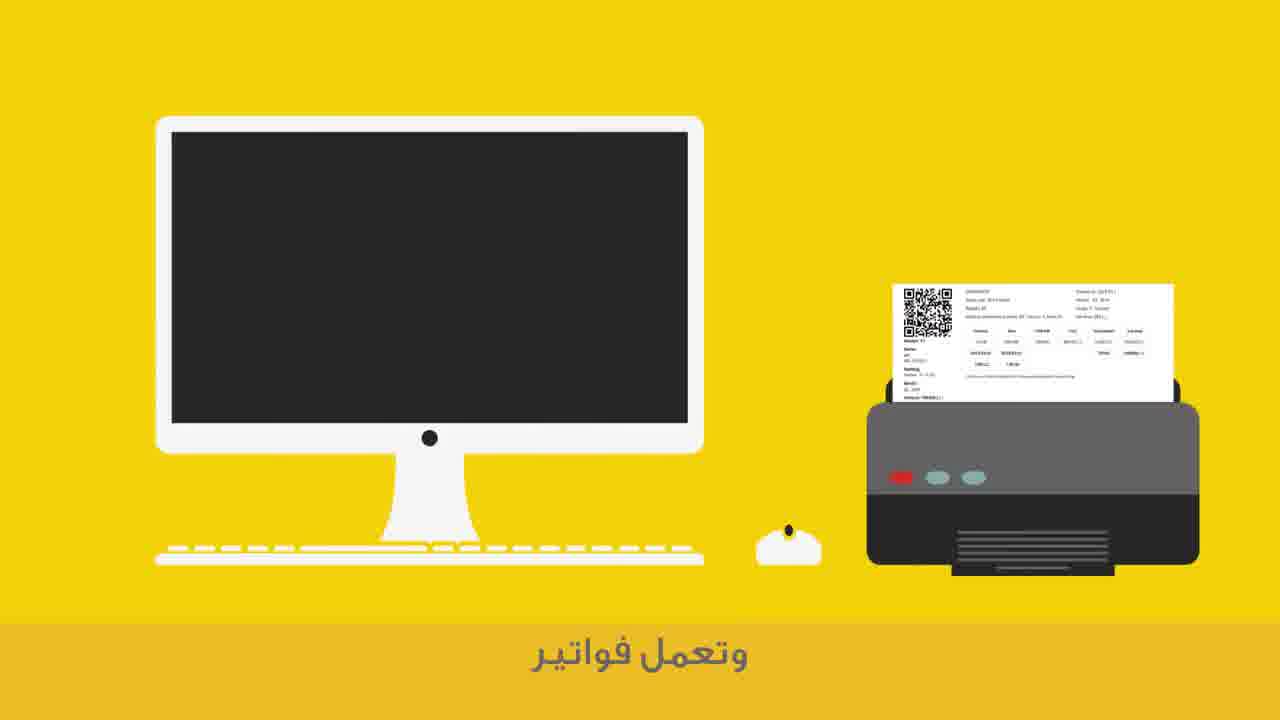
Easy invoice and payment tracking, as well as printing. Customer management and reporting.
Web and mobile
Solution is both available on web and mobile
Consumer portal
Consumer has access to all his invoices and information through a portal
Electricity News in Lebanon
Follow-up with the latest news regarding electricity and power in Lebanon by accessing our blog or the news section in your account.
Latest News
Lebanon edges closer to new energy crunch as Hormuz crisis keeps power costs elevated
Beirut, April 15, 2026 — Lebanon is moving closer to a new phase of energy crisis as the regional war around Iran and the partial closure of the Strait of Hormuz keep fuel markets tight and imported electricity costs elevated, according to new international assessments this week. Analysts warn that the pressure is compounding an already chronic electricity crisis in Lebanon, where households rely heavily on private generators to cover gaps in state power.
A recent study on Lebanon’s energy exposure finds that the country now faces “a crisis that extends beyond immediate fuel price volatility,” with the Iran war spillover threatening supply chains and driving up costs for diesel-based generation. Global observers say the Hormuz crisis has acted as a major supply shock to oil markets, intensifying price swings and raising geopolitical risk premiums for fuel-importing economies such as Lebanon.
While official tariff tables for 2026 are updated month by month, previous guidance from authorities and pricing decisions for private generators show how closely local electricity bills track diesel costs. Each increase in the generator tariff per kilowatt-hour feeds directly into household invoices, leaving many residents exposed to fuel volatility and local currency weakness at the same time.
For families and building managers, the result is continued uncertainty: the number of hours of state power remains limited, generator runtime changes week to week, and electricity bills are difficult to anticipate. Lebanon’s long-running structural problems in the grid — including high technical and non-technical losses, underinvestment, and weak bill collection — mean that the country enters this regional shock from a position of vulnerability rather than resilience.
Digital tools are emerging as one of the few levers households can use to regain control. The HEWIS electricity management app, available on major mobile platforms, allows residents to receive and manage their electricity invoices, verify payment status in real time, and monitor consumption more closely. Companion tools like HEWIS Manage help electricity providers and generator operators collect meter data, issue subscriber bills, and track collections across their network, giving them a real-time view of operations during a period of heightened risk.
By linking generator runtime, Online/Offline status, and billing in a single interface, HEWIS-type platforms can reduce disputes over invoices and improve transparency between providers and subscribers. In a country where the electricity crisis is now shaped as much by geopolitics as by local infrastructure, that visibility is becoming a critical part of how Lebanese households navigate the cost of power.
Lebanon’s Power Costs Climb as Generator Tariffs Rise and Grid Instability Persists
Lebanon’s Power Costs Climb as Generator Tariffs Rise and Grid Instability Persists
Beirut, April 8, 2026 — Lebanon’s electricity sector is facing renewed strain this week as generator tariffs continue to rise and the national grid remains unstable amid regional hostilities and ongoing infrastructure disruption. Households and businesses that depend on private generators are seeing higher costs as the Ministry of Energy continues updating tariffs in response to fuel market pressure.
Fuel remains the main driver of the latest increase. Recent local price updates have shown sharp jumps in diesel and mazout costs, reinforcing the direct link between Lebanon’s electricity bills and imported fuel prices. Because the public grid still cannot provide reliable round-the-clock supply, private generators continue to absorb the shortfall — and pass those costs on to consumers.
The pressure is compounded by instability affecting the broader power system. Recent strikes and security-related disruptions have added uncertainty to electricity delivery, particularly around Beirut and key surrounding areas. For residents already dealing with intermittent supply, every outage increases reliance on generators and raises the financial burden.
In this environment, real-time visibility into electricity service has become essential. HEWIS helps households track generator Online/Offline status as it changes and automates billing so users can verify usage periods and understand charges more clearly. That matters at a time when fuel prices, tariffs, and supply conditions can shift quickly from one billing cycle to the next.
For many Lebanese families, electricity management is now a daily financial task. Tools that show when power is available, how long generators are running, and how much each household owes can reduce uncertainty and help users plan around volatile energy costs.
About HEWIS
HEWIS is an electricity management app designed to help households and building residents monitor generator status and manage billing with greater transparency.
Energy Market Update: Managing High Costs Amid Regional Disruptions
The Lebanese energy sector is currently facing a dual challenge of critical infrastructure damage and a global surge in fuel costs. As of this morning, several factors are directly impacting your electricity supply and monthly billing.
1. Global Fuel Surge and Local Tariffs
Following the ongoing blockade of the Strait of Hormuz, global crude oil prices have surpassed $100 per barrel. For Lebanon—which relies almost entirely on petroleum imports—this has resulted in a sharp increase in costs. The Ministry of Energy has adjusted tariffs, with the price of a kiloliter of diesel used for private generators now exceeding $909. This surge is expected to reflect significantly on April’s subscription invoices.
2. Grid Instability and Infrastructure
Recent strikes near Beirut’s airport road and the Mansourieh area have caused localized damage to distribution networks. Electricité du Liban (EDL) is working to maintain minimal supply, but the volatility of the grid means a higher reliance on private generators for the foreseeable future.
3. How HEWIS Helps You Navigate This
- In this high-cost environment, every minute of power counts. HEWIS provides the tools you need to stay in control:
- Real-Time Status: Instantly see if your generator is Online or Offline to plan your household tasks.
- Transparent Billing: With diesel prices fluctuating, our automated billing system ensures you are charged accurately based on actual consumption and the latest official tariffs.
We recommend all users enable Push Notifications via the HEWIS app to receive immediate alerts regarding provider status changes or new tariff announcements.